There’s a particular tightness that lives in the chest of anyone who’s ever dealt with dental anxiety a mix of dread and self-criticism, like you’re bracing for something that hasn’t even happened yet but already feels too big. Maybe it’s the sound of the drill from years ago. Maybe it’s a childhood memory you can’t fully shake. Maybe it’s the simple vulnerability of lying back in that chair with someone hovering above you while your body tries to pretend it’s fine.
If you’ve avoided appointments in Fall River because every part of you tenses the moment you even think about dental work, you’re not strange. You’re not dramatic. You’re human, carrying a response that once protected you. And the hardest part is that anxiety doesn’t just sit still it grows. A missed cleaning becomes years, and suddenly you’re afraid of the very thing meant to help you heal.
Admire Dental Fall River has become one of those places where people whisper,dental anxiety “They get it.” Where sedation dentistry isn’t an afterthought but a lifeline. Not a way to numb you from the experience, but a way to guide you through it with less panic, less shame, more softness. And tonight, thinking about finally making an appointment, maybe it helps to know what options exist and what they feel like, beyond the clinical $P$BzlmL1iGwlq8ZXuRSMKyTFecAPQk2b.explanations.
Why Dental Anxiety Deserves More Compassion Than It Gets
People love to shrug it off. “It’s just the dentist.” “Everyone gets nervous.” But dental anxiety is different. dental anxiety It’s embodied. It lives in your muscles, your breath, the back of your throat. It turns simple things a phone call to schedule, walking through a waiting-room door into emotional mountains.
It’s not about pain, not really. It’s about control. About trust. About the vulnerability of letting someone near the most defenseless part of your body.
And dentists who understand this don’t rush you. They don’t minimize it. Admire Dental Fall River has shaped much of its environment around this truth gentle pacing, transparent explanations, and sedation options that create enough emotional distance for your body to unclench, even if your mind hasn’t caught up yet.
You’re not weak if you need this. You’re self-aware.
Understanding Sedation Dentistry in a Way That Actually Feels Human
Sedation dentistry sounds clinical, but in reality it’s about creating a bridge from fear to tolerance, from tolerance to comfort, from comfort maybe even to confidence someday.
It isn’t one thing. It’s a spectrum. A range of levels designed to meet you exactly where you are, whether that’s mildly nervous or on-the-verge-of-canceling-the-appointment.
Some sedation simply takes the edge off. Some lets you feel like you’re drifting in and out of a warm, quiet place. Some makes your memory of the appointment feel like a soft blur instead of a spike of adrenaline.
The point is choice. Control. Working with your anxiety instead of fighting it.
Nitrous Oxide: The Lightest Step Toward Calm
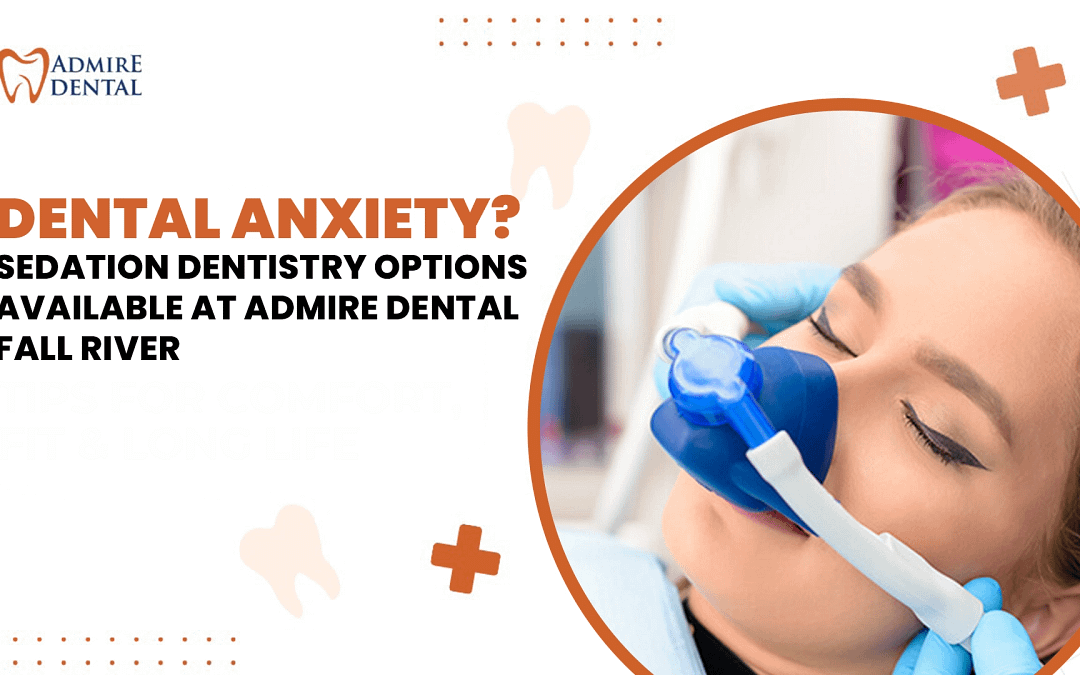
Nitrous oxide laughing gas isn’t about making you giggle. It’s about loosening the knot in your chest that dental anxiety tightens. You breathe it through a small mask, and after a few minutes there’s this almost floaty sense that the room feels softer. Sounds feel less sharp. Your breath lengthens without you trying.
You’re awake. dental anxiety You’re aware. But the panic that usually sits at the back of your throat? It quiets. Not silenced, just soothed.
For people who feel embarrassed asking for help, nitrous oxide is the gentlest “yes.” It wears off quickly, too, so you can drive yourself home afterward. In Fall River, a lot of patients use this as their introduction to sedation not too intense, not too heavy, just enough space to exhale.

Oral Sedation: The Middle Ground for the Heart That Races Too Fast
Oral sedation is for people whose dental anxiety feels larger the ones who pace before their appointment, who lose sleep the night before, who feel tears sting unexpectedly in the parking lot.
You take a prescribed pill beforehand, and by the time you’re in the chair there’s this warm, drowsy calm that settles in. Not unconsciousness just distance. You’re aware things are happening, but it doesn’t trigger that reflexive fear that usually hijacks your body.
Appointments that once felt impossible suddenly become manageable. And because the medication lingers, the memory of the visit feels softened around the edges, like it happened far away.
Someone will need to drive you home, but for many Fall River patients, dental anxiety the trade-off feels worth it a few hours of grogginess for the first truly peaceful dental experience in years.
IV Sedation: Deep Peace for Deep Fear
There are people whose dental anxiety runs so deep it borders on phobia real, dental anxiety physiological, overwhelming. If that’s you, IV sedation may be the first time in your life you can receive treatment without your body fighting the entire experience.
IV sedation isn’t full general anesthesia. You’re not intubated, not unconscious. But you are in a deeply relaxed, dreamlike state where time becomes slippery and fear can’t reach you. Your reflexes calm. Your breathing settles. Your muscles let go.
The team monitors you continuously, adjusting the level as needed. And afterward, most patients remember almost nothing a blessing when anxiety has been haunting you for years.
Admire Dental Fall River uses this option for longer procedures or for patients whose trauma is severe enough that lighter methods don’t help. It’s a doorway into treatment that once felt impossible.
How Sedation Dentistry Helps Break the Avoidance Cycle
Dental anxiety creates a loop: avoidance → worsening oral health → more complex treatment → more fear → more avoidance. It’s cruel that people who are most afraid often end up needing the most work.
Sedation interrupts that loop. It gives you access to care before things worsen. And once you’ve had one good experience one appointment where your body didn’t shake or sweat or tense something shifts. You begin to trust. Maybe not fully, but enough to return.
Admire Dental Fall River sees this all the time. Patients who once said, “I can’t do this,” slowly start saying, “Maybe I can.” That small crack in the fear creates a different future for your mouth, your health, your self-esteem.
Signs Sedation Dentistry Might Be Right for You
- You cancel or reschedule appointments because the anxiety becomes overwhelming.
- You avoid dental care until pain forces you into an emergency visit.
- Your heart races or your body tenses the moment you sit in the chair.
- You have a strong gag reflex that makes treatment difficult.
- You had traumatic dental experiences in childhood or adulthood that never really faded.

Conclusion
Dental anxiety doesn’t mean you’re flawed or fragile. It means you learned to protect yourself at some point, and your body never got the memo that it’s safe now. Admire Dental Fall River understands that. Sedation dentistry isn’t about knocking you out or rushing through a procedure it’s about honoring your nervous system, giving it room to settle, and helping you rewrite the story your body has been carrying for too long.
Whether it’s nitrous oxide, oral sedation, or IV sedation, the goal is the same: to help you get the care you deserve without the fear that once controlled you. You don’t have to be brave. You just have to show up and the sedation will meet you where your courage runs out. That’s enough.
FAQs
1. Will I be fully asleep with sedation dentistry?
With most types, no. You’ll be deeply relaxed but still responsive. Only deeper IV sedation approaches a sleep-like state.
2. Can sedation help if I have a strong gag reflex?
Yes. Sedation relaxes the muscles and reflex pathways, making treatment much easier.
3. Is sedation safe for people with medical conditions?
For most patients, yes but every plan is customized. The team reviews your history to choose the safest option.
4. Will I remember the procedure afterward?
Some sedation creates fuzzy or very limited memories, which many anxious patients find reassuring.
5. Do I need someone to drive me home?
Only for oral or IV sedation. Nitrous oxide wears off quickly, so you can drive afterward without issues.