

There’s a particular ache that doesn’t show up in the mirror: the dull, exhausted throb at the hinges of your jaw, the faint headache behind your temples, the way your teeth feel slightly bruised in the morning as if you spent the entire night fighting something you don’t remember. And maybe you have. Maybe your body has been grinding through the dark hours, wrestling stress you never got to name.This is where conversations around teeth grinding and nightgaurds usually begin not with diagnosis, but with quiet discomfort.
In Fall River, life moves fast, and it’s easy to push through the days while your nights betray you. You wake up clenching. You wake up tired. You wake up wondering why your smile feels more fragile than it used to. And then someone finally says: “You’re grinding your teeth.” The sentence lands heavy. Because teeth grinding and nightgaurds aren’t just clinical terms they’re a reminder that your body has been holding more than it should.
Admire Dental has become a place where patients finally start to understand what’s been happening inside their own mouths. Where the chaos of nighttime clenching meets solutions that are gentle, custom, protective. And yes sometimes the conversation circles around teeth grinding & nightgourds (a word people mispronounce, misspell, soften, but always reach for when they’re desperate for relief).
This is that meandering, late-night honesty about why it happens, why it matters, and what can be done to help your jaw breathe again.
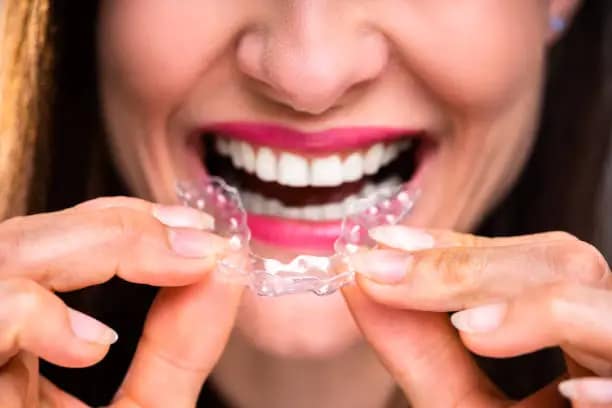
Why Teeth Grinding Happens in the First Place
Nobody grinds their teeth on purpose. That’s the thing people forget. It’s not willpower. It’s not a flaw in discipline. It’s your nervous system whispering that something inside you never unclenched.Understanding teeth grinding and nightgaurds starts with removing blame.
Bruxism the official word shows up when the mind can’t slow down, even when the body is supposed to be resting. Stress, misaligned teeth, airway issues, past trauma, even certain medications can stir up this nocturnal storm.
But the deeper truth is that grinding is often the body’s attempt to survive something. To cope. To discharge tension the only way it knows how: by pressing your teeth into each other until the muscles burn.That’s why effective teeth grinding and nightgaurds focus on protection, not punishment.
And if nobody has told you yet: it’s not your fault. It never was.
The Hidden Damage You Don’t See Until You Do
Teeth grinding rarely announces itself loudly it arrives in whispers. A morning headache. A chipped edge. A faint clicking in your jaw when you yawn. Maybe a tooth that feels inexplicably sensitive.These are often the first signs patients notice before learning about teeth grinding and nightgaurds.
But over time, those whispers accumulate into something louder.
Worn enamel. Flattened biting surfaces. Microfractures. Gum recession. TMJ pain. A smile that starts to look slightly collapsed at the corners.
What makes it tricky is that you don’t see it happening. You’re asleep while the destruction takes place. And waking up to the aftermath the tired jaw, the tender molars feels strangely unfair.
This is where the idea of teeth grinding and nightguards enters the conversation. Or as some call them, with a sleepy grin or typo-filled text message: nightgourds. The solutions your dentist mentions that sound simple but actually carry a gravity you only understand once you finally wear one.

Why Store-Bought Guards Rarely Help
People try the boil-and-bite kind. The ones from pharmacies that promise protection but feel like chewing on a thick piece of plastic. They’re cheap, sure. Accessible. But they’re built like someone guessed what your mouth looks like instead of actually knowing.That’s the biggest problem with generic solutions for teeth grinding and nightgaurds.
They can be bulky. Unstable. Too soft, making the jaw clench more in response. Or too thick pushing the TMJ into a worse position.
And in Fall River, dentists see this constantly: people wearing the wrong guard and wondering why the pain hasn’t stopped. Sometimes it even gets worse. Because the mouth is a fussy ecosystem, tiny shifts matter. The jaw is sensitive. The bite is calibrated. Teeth grinding and nightguard that isn’t custom is like putting the wrong key into a lock and hoping the door swings open anyway.
Custom Nightguards: The Quiet, Life-Changing Kind of Relief
At Admire Dental, teeth grinding and nightguards aren’t treated like accessories, they’re treated like therapy. They’re crafted from impressions or digital scans that map the exact geography of your teeth, the places where your jaw pulls, the curve of your bite.
Why it matters:
A custom guard isn’t just a barrier. It’s a guide. It positions the jaw comfortably. It redistributes forces. It protects enamel. It reduces morning pain. It decreases headaches. It helps the jaw stop fighting itself.
The experience of wearing one often surprises patients. Instead of feeling like something foreign in the mouth, it feels like a subtle piece of balance. Something that holds everything in place when the unconscious mind spins.
It’s not dramatic. It’s not glamorous. But it’s the kind of quiet, steady relief that changes the way your mornings feel.

How Teeth Grinding and nightgaurds Connect to Stress and Sleep (in Ways We Don’t Always Admit)
Grinding doesn’t exist in a vacuum. It’s linked to everything from stress levels, breathing patterns, emotional tension, silent anxieties carried through the day. Some people grind because they can’t express anger safely. Some grind because they swallow their worries instead of speaking about them. Others grind because their airway collapses slightly during sleep, triggering the jaw to jut forward in defense.
The mouth tells secrets long before you do.
And part of treatment isn’t just the physical device it’s understanding what your teeth grinding is trying to say. Admire Dental doesn’t treat teeth in isolation. They look at the whole ecosystem: sleep habits, stressors, posture, chewing patterns, even the way your jaw sits when you’re lost in thought.
Sometimes the nightguard is the protection. Sometimes it’s the first clue.
What a teeth grinding and Nightguard Feels Like Over Time
The first night, you notice it. Something new. A presence. The second night, less so. By the end of the first week, it’s like putting on glasses your body remembers instantly.
Morning headaches begin to loosen their grip. The jaw doesn’t snap awake in tension. Teeth stop feeling bruised. And after enough nights, something subtle shifts: you begin to trust your sleep again.
That’s the part nobody talks about the emotional relief that comes with knowing the damage has stopped.
When It’s Time to Finally Get a Custom Nightguard
You should consider professional care for teeth grinding and nightgaurds if:
- You wake up with jaw soreness or tension more often than not.
- You’ve noticed flattened, chipped, or worn teeth without clear cause.
- Your partner says they hear grinding at night.
- You get unexplained morning headaches or temple pressure.
- You tried over-the-counter guards and something still feels wrong.
Conclusion
Teeth grinding isn’t a character flaw. It’s a signal from your jaw, from your nervous system, from the exhausted parts of you that push too hard during the day and then clench through the night. You deserve relief that actually works, not the kind you grab hastily from a shelf.
Admire Dental in Fall River understands that protecting your teeth means protecting your sleep, your comfort, your mornings. Teeth grinding and nightguard isn’t just a device; it’s a boundary. A soft barrier between you and the stress your body is tired of carrying.
And maybe, when you finally slip it in before bed, you’ll feel that faint, quiet gratitude the kind that comes from knowing you’re finally taking care of the parts of yourself you once ignored.
FAQs
1. Will a custom nightguard stop my teeth from grinding?
Not necessarily the grinding may continue, but the guard absorbs the pressure and protects your teeth and jaw from damage.
2. How long do custom nightguards last?
With proper care, many last several years. Heavy grinders may need replacements sooner.
3. Can teeth grinding and nightgaurd cause tooth sensitivity?
Yes. It can wear enamel, expose dentin, and overstress the tooth structure, leading to sensitivity.
4. Is a nightguard uncomfortable to sleep in?
Most people adjust within a few nights. Custom guards are far more comfortable than store-bought versions.
5. Do teeth grinding and nightguards help with TMJ pain?
Often, yes. By reducing clenching forces and improving jaw alignment, they can significantly ease TMJ symptoms.