
Dental Crown or Bridge:-
Many suffer from dental issues without knowing that assistance is readily accessible. A tooth that is cracked, missing tooth or a pain when chewing can feel normal in the long run However, these are usually indicators that your teeth require support. This is where bridges and dental crowns are needed.
The article is written in an easy, simple and non-technical language/dental crown or bridge . Even if your knowledge is minimal about dentistry, you’ll know everything in a clear manner. There aren’t any confusing terms and no medical language. Simple, honest explanations in a few paragraphs.
In this article you will discover the seven clear indications that you might require a bridge or dental crown to understand how crowns for dental use in Bristol can protect teeth that are weak and learn about the true bridge advantages, and learn how these procedures can be integrated into the modern world of restorative dentistry.
What Are Dental Crowns and Bridges (Simple Explanation)
Before we discuss the signs, let’s be aware of what bridges and crowns are in the most basic way.
What Is a Dental Crown?
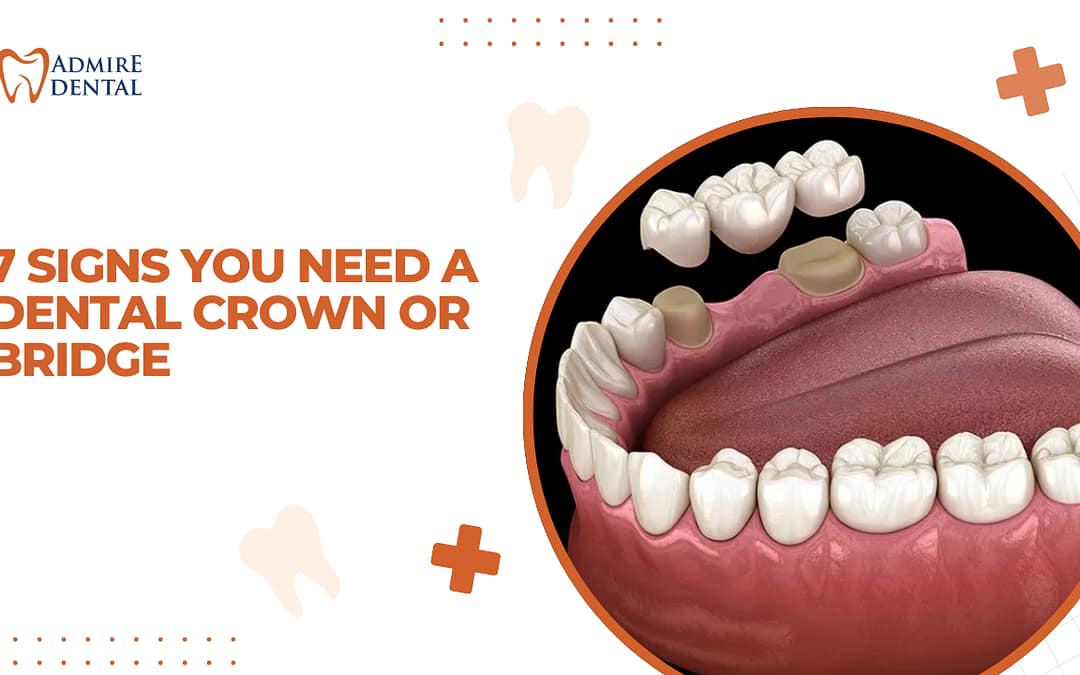
A dental crown is an extra protective cap that is placed over the weak or damaged tooth. It completely covers the tooth and strengthens it.
Crowns are employed to dental restorative procedures/dental crown or bridge to preserve teeth that otherwise would be lost.
What Is a Dental Bridge?
A dental bridge is utilized to replace teeth when a few are missing. The bridge “bridges” the gap by connecting artificial teeth to natural teeth.
This is when the bridges ‘ benefits/dental crown or bridge become crucial to chewing, speaking and for appearance.
Why Crowns and Bridges Are Important
Dental Crown or Bridge:-
The inability to treat missing or damaged teeth can lead to more serious issues in the future.
Bridges and crowns are helpful:
- Guard against weak teeth
- Restore chewing capacity
- Enhance appearance
- Stop teeth from shifting
- Health of the jaw support
This is the reason dental restorative therapy/dental crown or bridgeis focused on the repair of the teeth and is not just taking them.
Sign 1: You Have a Cracked or Broken Tooth
A broken or cracked tooth is among the main reasons why people require Dental Crown or Bridge.
A small crack could get bigger with time.
Why This Happens
- Biting hard foods
- Teeth grinding
- Falls or accidents
- Old fillings can weaken the tooth.
Why a Crown Is Needed
A crown:
- The crack is covered
- Protects against any further damage
- Strengthens teeth
In the absence of a dental crown, the tooth can fall out completely and require removal.
Sign 2: You Feel Pain or Sensitivity When Chewing
The pain you feel when chewing isn’t typical. It’s a warning signal.
What This Pain Means
- Tooth structure is insecure
- Filling might be not working.
- Tooth can be damaged or cracked
This is the reason why dental crown or bridge serve an an important part.
How a Crown Helps
- The tooth is supported
- Distributes chewing pressure
- Reduces pain
The body’s response to pain is of seeking assistance. Dental Crown or Bridge concentrates on fixing the root of the problem, not only the discomfort.
Sign 3: You Have a Very Large Filling
Large fillings weaken teeth with time.
Why Large Fillings Are a Problem
- The natural tooth is gone.
- Tooth may crack easily
- Fillings are not able to provide complete force
Why a Crown Is Better
A crown:
- It covers the entire tooth
- Guards against breaking
- Lasts longer than fillings
Dentists frequently suggest tooth Crowns Bristol/dental crown or bridge for fillings that are getting too large.
Sign 4: You Have a Missing Tooth
Dental Crown or Bridge:-
The loss of teeth is not only an issue of cosmetics.
Problems Caused by Missing Teeth
- The difficulty of chewing
- Teeth shift
- Jawbone weakens
- Speech problems
This is the point at which the bridges between benefits become apparent.
How a Dental Bridge Helps
A bridge:
- Fills the gap
- Restores chewing
- Helps keep teeth in the correct position
For Restorative Dentistry getting rid of teeth that are missing is vital for maintaining oral health over time.
Sign 5: Your Tooth Looks Worn Down or Flat
Teeth wear down with time, particularly when you grind them.
Common Causes of Worn Teeth
- Teeth grinding
- Acidic food items
- Aging
- Poor enamel strength
Why Crowns Are Needed
Dental decay:
- Get vulnerable
- Lose function
- Breaks easily
Crowns can restore a tooth’s form and strength. This is the main reason why people select tooth crowns Bristol.
Sign 6: You Have Had a Root Canal Treatment
Following a root canal teeth become less durable.
Why Root Canal Teeth Need Protection
- Nerves are eliminated
- Tooth gets brittle
- Greater chance of cracking
Why a Crown Is Important
A crown:
- Seals the tooth
- Secures it for the long-term
- Prevents fractures
When it comes to dental restorative crowns are generally suggested following root canal treatments.
Sign 7: You Feel Embarrassed About Your Smile
It is more important to look good than many admit.
How Teeth Affect Confidence
- Broken teeth can affect smiles
- The missing teeth can affect speech
- The color of your teeth can affect your self-esteem.
How Crowns and Bridges Help
- Restore natural appearance
- Improve the balance of smiles
- Increase confidence
Each of the tooth caps Bristol or bridges, are designed to appear as real teeth.
Dental Crowns Bristol: When Are They Most Commonly Used
Crowns are often used to:
- Cracked teeth
- Fillings of large size
- Teeth from the root canal
- Dentures that are damaged
- Cosmetic improvements
They are an integral component of restorative dentistry.
Bridges Benefits Explained in Simple Words
Let’s clearly comprehend the benefits of bridges without any complexities.
Main Benefits of Dental Bridges
- Restore chewing capacity
- To prevent teeth shifting
- Improve your speech
- Shape of the support face
- It’s natural looking
Bridges can help people live their lives following tooth loss.
Crowns vs Bridges: Simple Difference
Many people are confused.
- Crown: Covers damaged tooth
- Bridge Replaces missing teeth
Both are involved Together, they perform dental restorative procedures to restore smiles.
Are Crowns and Bridges Painful Procedures?
It is a very typical worry.
The Truth
- Local anesthesia is the method used
- No pain during procedure
- Mild discomfort afterward
The latest Dental crowns Bristol techniques are safe and comfortable.
How Long Do Crowns and Bridges Last
Longevity is an important factor.
Average Lifespan
- Crowns: 10 to 15 years or more
- Bridges: 10 to 15 years
With proper care they can last longer.
How to Care for Crowns and Bridges
The process is easy.
You must:
- Cleanse twice a day
- Floss frequently
- Be careful not to bite hard objects.
- Visit dentist regularly
Careful maintenance protects your restoration dentistry purchase.
What Happens If You Delay Treatment
Refraining from crowns or bridges may cause:
- Tooth fracture
- Tooth loss
- Gum problems
- Costs will rise later
A quick treatment using tooth bridges Bristol can prevent bigger problems.
Are Crowns and Bridges Only for Older People?
No. This is a common misconception.
People of all ages could require them due:
- Accidents
- Decay
- Genetics
- Grinding
Dental restorative is for all and not only seniors.
Materials Used in Crowns and Bridges
Modern dentistry makes use of high-quality and natural-looking material.
Common choices can include:
- Porcelain
- Ceramic
- Crowns made of metal
- Zirconia
Your dentist can help you decide which is the best for you.
Will Crowns and Bridges Look Natural?
Yes. This is a major issue for a large number of people.
Modern dental crowns Bristol are:
- Color-matched
- Like natural teeth, they are designed to look like natural teeth.
- Mix it with your smile
Many people can’t discern the distinction.
Eating With Crowns and Bridges
After healing, you are able to take your normal diet again.
They let you:
- Chew with ease
- Enjoy most foods
- Avoid pain
This is among the largest bridges’ advantages.
Speech Improvement After Treatment
Teeth that are damaged or missing can impact speech.
Bridges and crowns are helpful:
- Improve pronunciation
- Prevent air leakage
- Restore clarity
Speech improvement is a neglected aspect of dental crown or bridge/restorative dentistry..
Emotional Benefits of Restorative Dentistry
Above function, emotion are important.
People are often feeling:
- More certain
- A little less anxious
- Happier smiling
The health of our teeth affects our mental wellbeing more than we think.
How Dentists Decide Between Crown or Bridge
Dentists think about:
- Tooth condition
- The number of missing teeth
- Bite alignment
- General oral health
They suggest what is most appropriate for your needs.
Myths About Crowns and Bridges
Let us clear some confusion.
Myth: Crowns damage teeth
Truth: Crowns safeguard weak teeth.
Myth: Bridges always fail
Truth: With proper care bridges will last for many years.
Myth that treatment is just cosmetic
The truth is that this is the essence of restorative dentistry..
When You Should See a Dentist Immediately
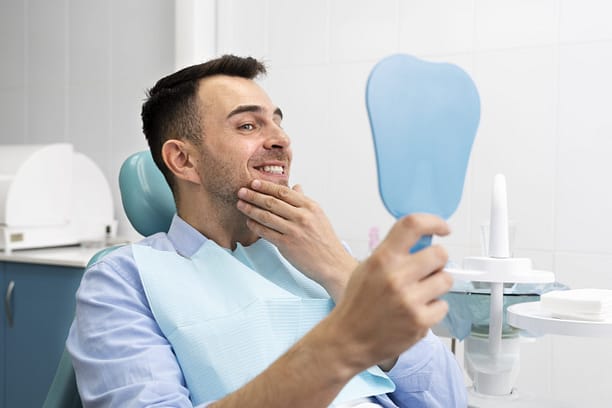
Don’t wait until you are noticing:
- The pain of chewing
- Broken tooth
- Teeth missing
- Sudden sensitivity
The early treatment using dental crowns Bristol or bridges helps to save teeth.
Final Thoughts: Listen to the Signs
Your teeth are often distinct signals that indicate something is not right. If you ignore them, it can lead to larger issues. Bridges and crowns are not treatment options that are extreme; they provide protection, restorative and life-enhancing options.
If you spot any of these seven symptoms, consult your dentist. The first step to take is with dental crowns Bristol knowing the true advantages of bridges, and relying on restorative dentistry will help you keep your smile in good health for a long time.
Frequently Asked Questions (FAQs)
1. How can I tell whether I require the crown of a tooth?
If you have a tooth that is damaged, cracked or painful or has a huge dental filling might suggest tooth crowns Bristol to safeguard it.
2. Are dental bridges a viable option for those missing teeth?
Yes. One of the primary advantages of bridges/dental crown or bridge is that it restores speech and chewing as well as keeping nearby teeth from shifting.
3. Is restorative dentistry just about appearances?
No. Dentistry that is restorative is focused on function, strength as well as long-term health of the mouth not just the appearance.
4. What is the time frame to receive a bridge or crown?
The majority of treatments take two visits, but certain clinics provide same-day appointments according to the situation.
5. Do bridges and crowns be as real-looking as teeth?
Yes. Once they are in place on the table, they will feel comfortable and permit normal eating as well as talking.