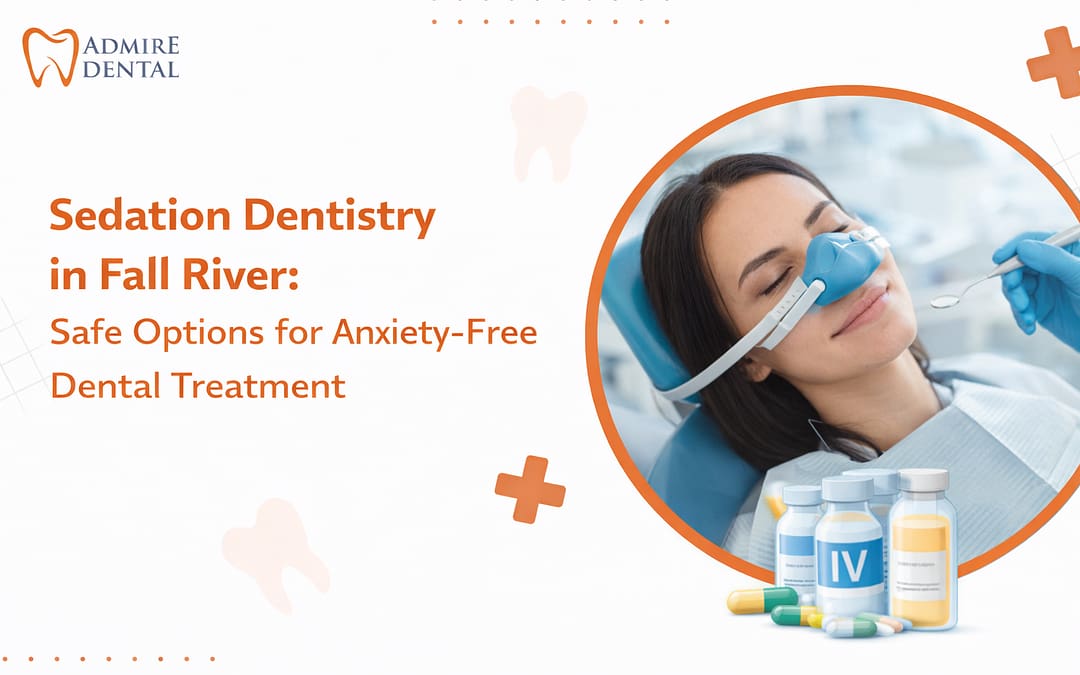
Sedation dentistry in Fall River is quickly becoming an effective solution for those who need it. There is a level of dental anxiety that is not being addressed. People make fun of it, but it is serious for some. If you find yourself in this category, then sedation dentistry in Fall River is an effective solution for you. You don’t have to let your anxiety hold you back from receiving the dental care you need.
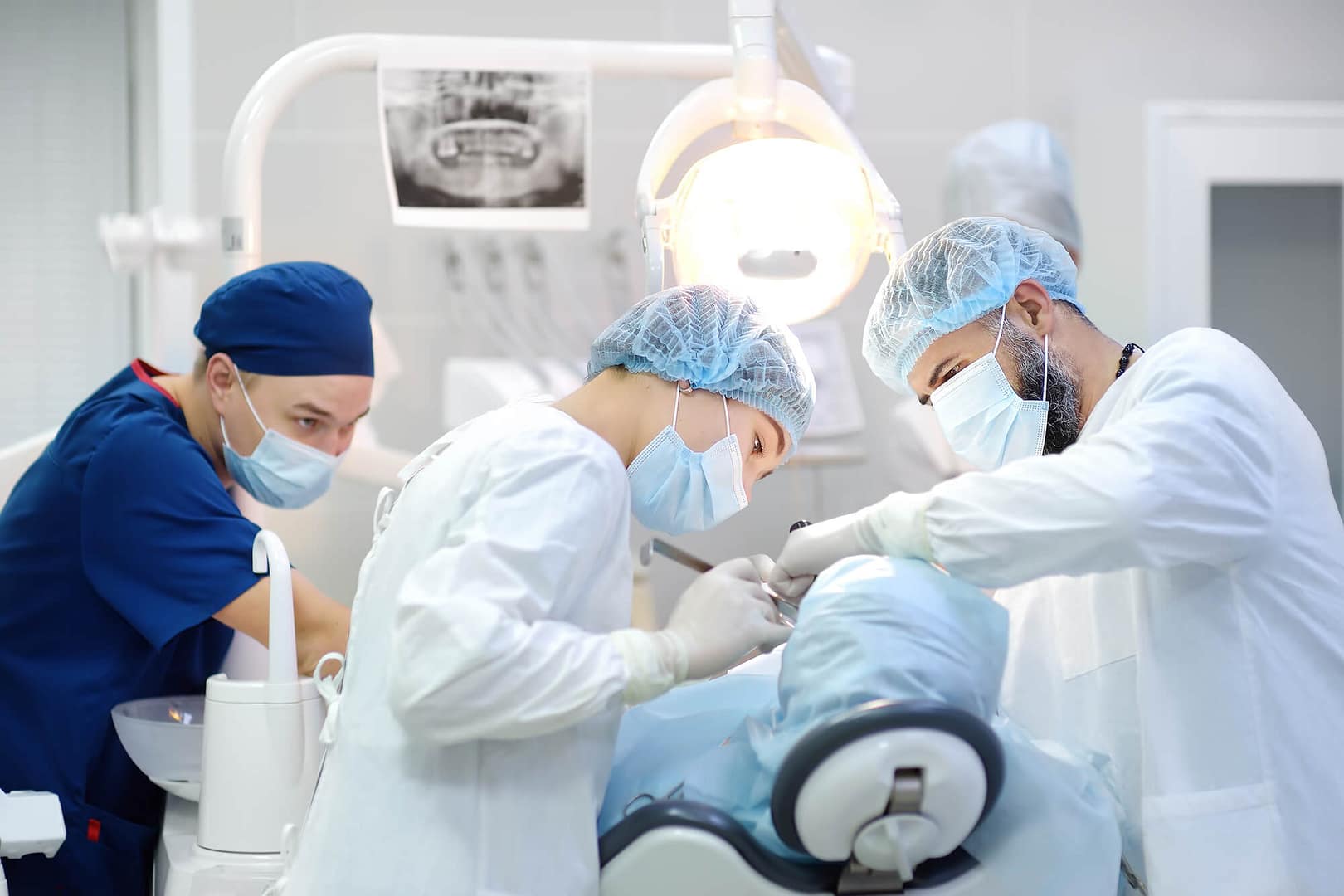
If you’re one of them, or someone who knows one, then it’s time to learn about sedation dentistry. Not as an alternative. Not as something exotic. As something real. Something out there. Something effective. Something that makes dental care accessible for those who need it, but whose bodies just won’t cooperate.
What’s really out there for anxious patients in Fall River, and what you need to know before making your choice for sedation dentistry in Fall River.
What is sedation dentistry in Fall River?
Sedation dentistry in Fall River refers to dental procedures performed using calming techniques such as nitrous oxide, oral sedation, or IV sedation. It helps patients with dental anxiety feel relaxed and comfortable during treatment. These methods are safe, widely used, and suitable for both minor and complex dental procedures.
Sedation Dentistry in Fall River: Best Options for Anxious Patients
Dental anxiety isn’t about being dramatic or irrational. For some people, it’s rooted in a bad experience — a painful procedure, a provider who wasn’t gentle, something that happened in childhood that got locked in. For others it’s the sound, the smell, the loss of control, the feeling of someone working in your mouth while you’re lying back unable to see what’s happening.
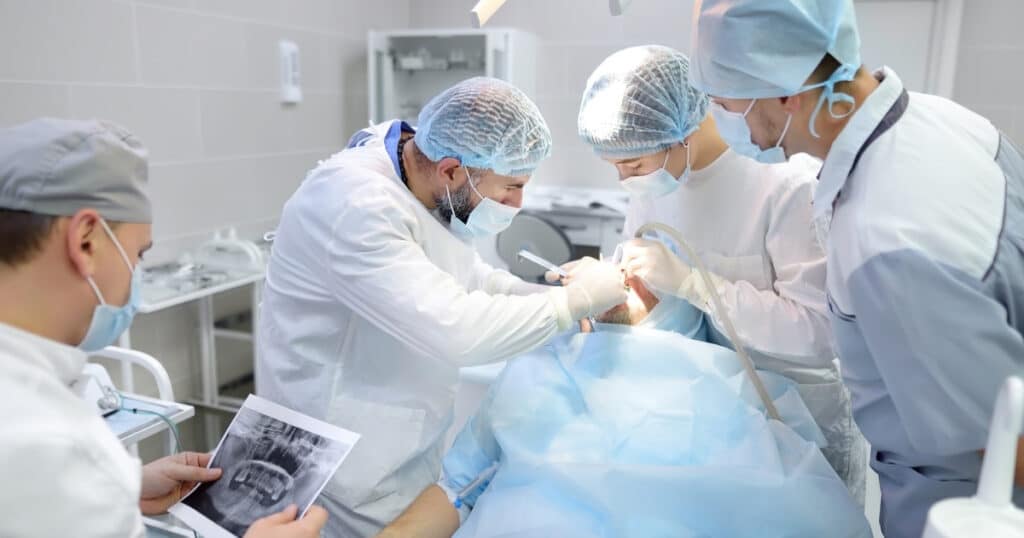
For patients considering sedation dentistry in Fall River, understanding anxiety triggers is important.The consequence of that anxiety, when it goes unaddressed, is avoidance. And avoidance of dental care compounds. A cavity that could’ve been a simple filling becomes a root canal. A gum issue that was manageable becomes significant bone loss. The longer care gets delayed, the more invasive and expensive the eventual treatment becomes. In some cases, untreated anxiety can lead to serious dental issues requiring dental emergencies and urgent care.
Sedation doesn’t fix the underlying anxiety, but it removes the barrier to care. For a lot of people, that’s the difference between getting treatment and not getting it.
Nitrous Oxide — The Lightest Option
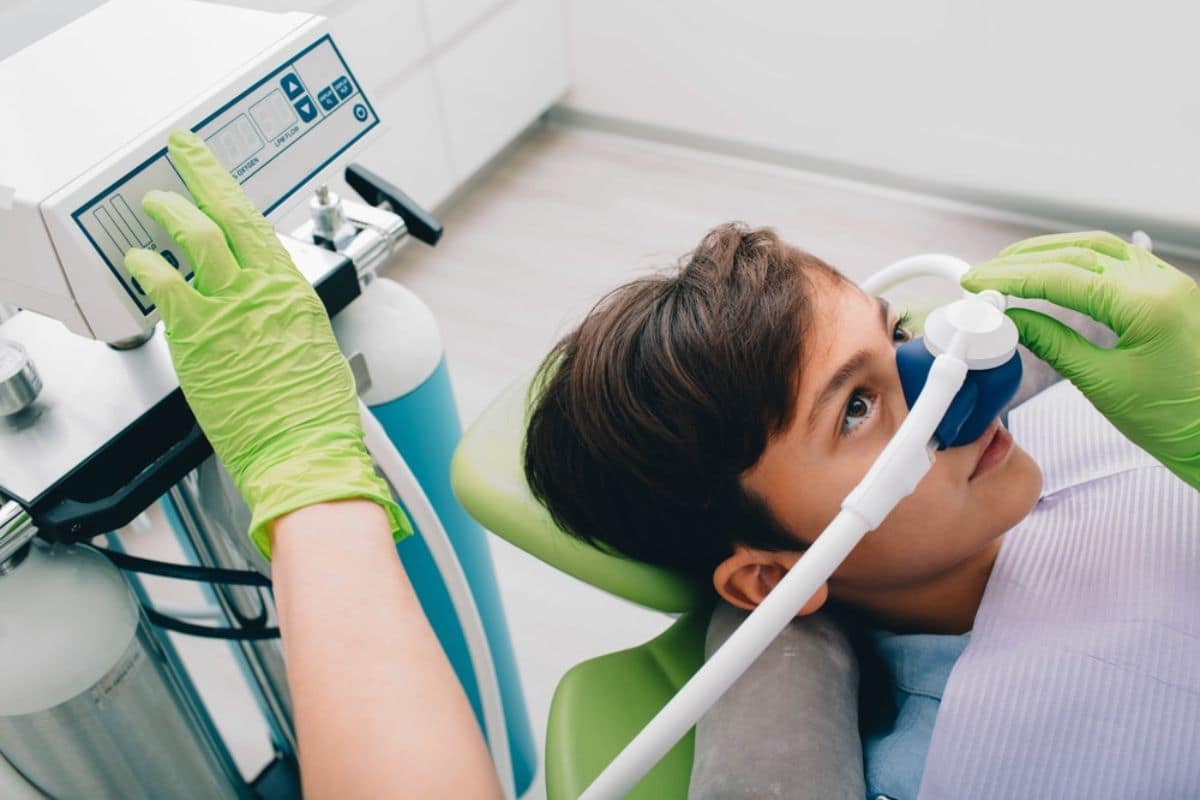
This makes it a popular choice in sedation dentistry in Fall River for mild anxiety cases. Nitrous oxide, which most people know as laughing gas, is the most commonly used form of sedation dentistry. It’s inhaled through a mask over your nose, it works within a few minutes, and it wears off within a few minutes of the mask being removed. You’re awake the whole time. You can still respond to instructions. You just feel calm — relaxed, a little floaty, not particularly bothered by what’s happening.
It’s the right fit for:
- Mild to moderate anxiety
- Shorter procedures — cleanings, fillings, simple extractions
- People who need to drive themselves home afterward
- Kids, in many cases
The limitation is that it’s not strong enough for severe anxiety or for longer, more complex procedures where deeper relaxation is needed.
Oral Sedation — A Step Deeper
Oral sedation involves taking a prescribed medication — typically a benzodiazepine like triazolam or diazepam — an hour or so before your appointment. By the time you sit in the chair, you’re significantly relaxed. Some people get drowsy enough to doze off during the procedure, though they’re still technically conscious and can be roused.
Many clinics offering sedation dentistry in Fall River recommend oral sedation for moderate to severe anxiety. One thing people often report about oral sedation: it affects memory formation. Many patients have little to no recollection of the procedure afterward. For someone with significant dental anxiety, that can be a genuine relief — not just during, but in terms of what gets stored and what they have to carry afterward.
You’ll need someone to drive you to and from the appointment. The medication takes several hours to fully clear your system. This isn’t optional — it’s a safety requirement.
Oral sedation is a good fit for:
- Moderate to severe anxiety
- Longer procedures
- People who’ve had difficulty getting numb with local anesthetic alone
- Those who want to remember as little as possible
This makes it especially useful during dental implant procedures, where patients need to stay relaxed for longer durations.
IV Sedation — Deeper Still
Among advanced sedation dentistry in Fall River options, IV sedation provides deeper relaxation…
IV sedation delivers medication directly into your bloodstream through a vein in your arm or hand. It works faster than oral sedation and the depth can be adjusted in real time throughout the procedure. Most patients under IV sedation are in a very deep state of relaxation — not unconscious, but barely aware. Many describe it as similar to general anesthesia in terms of their subjective experience, even though it’s technically different.
IV sedation requires specific training and monitoring equipment, so not every dental office offers it. In Fall River, you’ll want to call ahead and confirm availability if this is the level of sedation you’re looking for.
It’s typically used for:
- Severe dental anxiety or phobia
- Complex or lengthy surgical procedures — multiple extractions, implant placement
- Patients with special needs or significant medical considerations that make standard care difficult
General Anesthesia — Full Unconsciousness
General anesthesia means you’re completely unconscious for the procedure. It’s not common in standard dental settings and is typically reserved for very complex oral surgeries, patients who cannot cooperate with treatment while awake (young children with severe needs, patients with certain cognitive or physical disabilities), or cases where the procedure itself is extensive enough to warrant it.
This is usually performed in a hospital or surgical center setting rather than a standard dental office, and involves an anesthesiologist. For the vast majority of anxious patients, one of the lighter options — nitrous, oral, or IV — is more than sufficient.
Is Sedation Safe
Safety is a top concern for patients exploring sedation dentistry in Fall River. The question almost everyone has. And the answer is yes, when it’s administered by trained providers using proper monitoring protocols. The risks associated with Sedation dentistry in Fall River are real but low, and they’re significantly reduced when you’re honest with your dentist about your full medical history, current medications, and any substances you use.
Things that matter for safety:
- Let your dentist know everything you take — prescriptions, supplements, recreational substances. Interactions are real
- Disclose any respiratory issues, sleep apnea, or heart conditions
- Follow all pre-appointment instructions — fasting requirements, medication timing
- Have someone reliable to drive you for anything beyond nitrous oxide
Nitrous oxide has the most benign safety profile of the options. Oral and IV sedation carry slightly more consideration, which is why they require more pre-screening. All of them are used routinely and safely on millions of patients.
What to Ask When You Call a Fall River Dental Office
Not every office offers every type of sedation. Before you book, it’s worth calling and asking:
- Which sedation options does the practice offer?
- Does the dentist have specific training in sedation — and what kind?
- What does the pre-appointment screening process look like?
- What monitoring is used during the procedure?
- What are the costs and is sedation covered by your insurance plan?
A practice that takes Sedation dentistry in Fall River seriously will have clear answers to all of these. If the response feels vague or dismissive, that’s worth paying attention to.
The Bottom Line
Sedation dentistry in Fall River makes dental care accessible for patients dealing with anxiety. And it doesn’t have to mean years of avoiding care until things get bad enough that you have no choice.
The sedation options available — nitrous oxide, oral sedation, IV sedation — cover a wide range of needs. Mild unease all the way to severe phobia. Short appointments all the way to complex surgeries. Somewhere in that range, there’s something that makes the experience manageable.
If you’re in Fall River and anxiety has been the reason you’ve been putting off dental care — call and specifically ask about sedation dentistry options. Tell them what you’re dealing with. You don’t have to white-knuckle your way through this.
Frequently Asked Questions
- Is sedation dentistry safe?
Yes, sedation dentistry is safe when performed by trained providers with appropriate monitoring. The risks are low and are minimized by full disclosure of your medical history and medications, following pre-appointment instructions, and having a driver for anything stronger than nitrous oxide. Millions of patients receive dental sedation safely every year.
- What types of sedation are available for dental patients in Fall River?
The main options include nitrous oxide (inhaled, lightest option), oral sedation (a pill taken before your appointment), and IV sedation (delivered intravenously for deeper relaxation). Not every practice offers all three — call ahead to confirm what’s available.
- Will I be unconscious with dental sedation?
Not with most types. Nitrous oxide, oral sedation, and IV sedation all keep you in a conscious but deeply relaxed state — you can respond to instructions even if you’re very drowsy. General anesthesia (full unconsciousness) is used for specific complex cases, usually in a hospital or surgical center, not a typical dental office.
- Do I need someone to drive me to a sedation appointment?
For anything other than nitrous oxide, yes. Oral and IV sedation affect your coordination, judgment, and reaction time for several hours after the procedure. Driving after these is not safe and most practices will reschedule your appointment if you don’t have a driver confirmed.
- Does dental insurance cover sedation?
It varies significantly by plan and by the reason sedation is being used. Some plans cover nitrous oxide, some cover sedation for specific procedures like extractions, and many don’t cover it at all for routine anxiety management. Call your insurance provider and the dental office to get clear answers before your appointment.