
Introduction
An infection in the tooth isn’t something to be treated lightly. A lot of people experience minor tooth pain and believe it will disappear by itself. However, a tooth infection could develop silently and grow more quickly than people anticipate. This is why knowing Tooth Infection Spread infections is crucial for your well-being.

A tooth infection typically begins with a small, deep-seated infection within the tooth. If it is not treated, it may cause pain to the surrounding tissues, the jaw, the facial area, and even other body parts. In certain situations, it could be life-threatening. This article will simply explain everything to ensure that even the most novice will be able to understand how fast the spread of a tooth infection is, the signs to look for, and the best time to visit the dentist right away.
What Is a Tooth Infection?
An infection of the tooth occurs when bacteria get into the inside of the tooth, also known as the pulp. This is typically caused by dental cavities that are not treated, broken teeth, and gum disease. When bacteria get into the pulp, they multiply and can cause infections.
Knowing how Tooth Infection Spread over time can help you understand why it is crucial to treat the problem as soon as possible. An infection in the tooth cannot remain fixed in one location forever. If it is not treated, the tooth is constantly looking for new places to recur.
How Does a Tooth Infection Start?
A tooth infection typically starts gradually. Initially, you might just feel a slight discomfort. In time, the ailment gets more severe.
Common causes are:
- Deep cavities
- Teeth that are cracked or damaged
- Fillings that are damaged or old
- Gum disease
- Dental trauma
This can allow bacteria to get to the nerve of the tooth and trigger dental abscess-related symptoms.
Tooth Infection Spread Time: How Fast Does It Really Spread?
There isn’t a specific time for everyone; however, the tooth Infection spread can be quite small. In most cases, infection can be spread in days or weeks when it is not treated.
Factors that influence how quickly the spread of disease:
- Immunity strength
- The severity of the infection
- The tooth affected is located.
- What treatment or treatments were initiated
In serious cases, the infection has been observed to spread within 24-72 hours, particularly when there is a fever or swelling.
Stages of Tooth Infection Spread
Understanding the stages can help explain the tooth Infection spread more easily.
Stage 1: Infection Inside the Tooth
At this point, the bacteria are present in the pulp of the tooth.
The symptoms could include:
- Mild to severe pain
- Sensitivity to cold or hot
- The pain when chewing
It is the ideal time to prevent the infection by undergoing early teeth abscess therapy.
Stage 2: Infection Reaches the Root
If left untreated, the infection will spread to the tooth’s root.
At this point:
- Pain gets more intense
- A swelling may be apparent.
- Teeth nerve infections get more serious.
The infection is now getting ready to expand over the entire tooth.
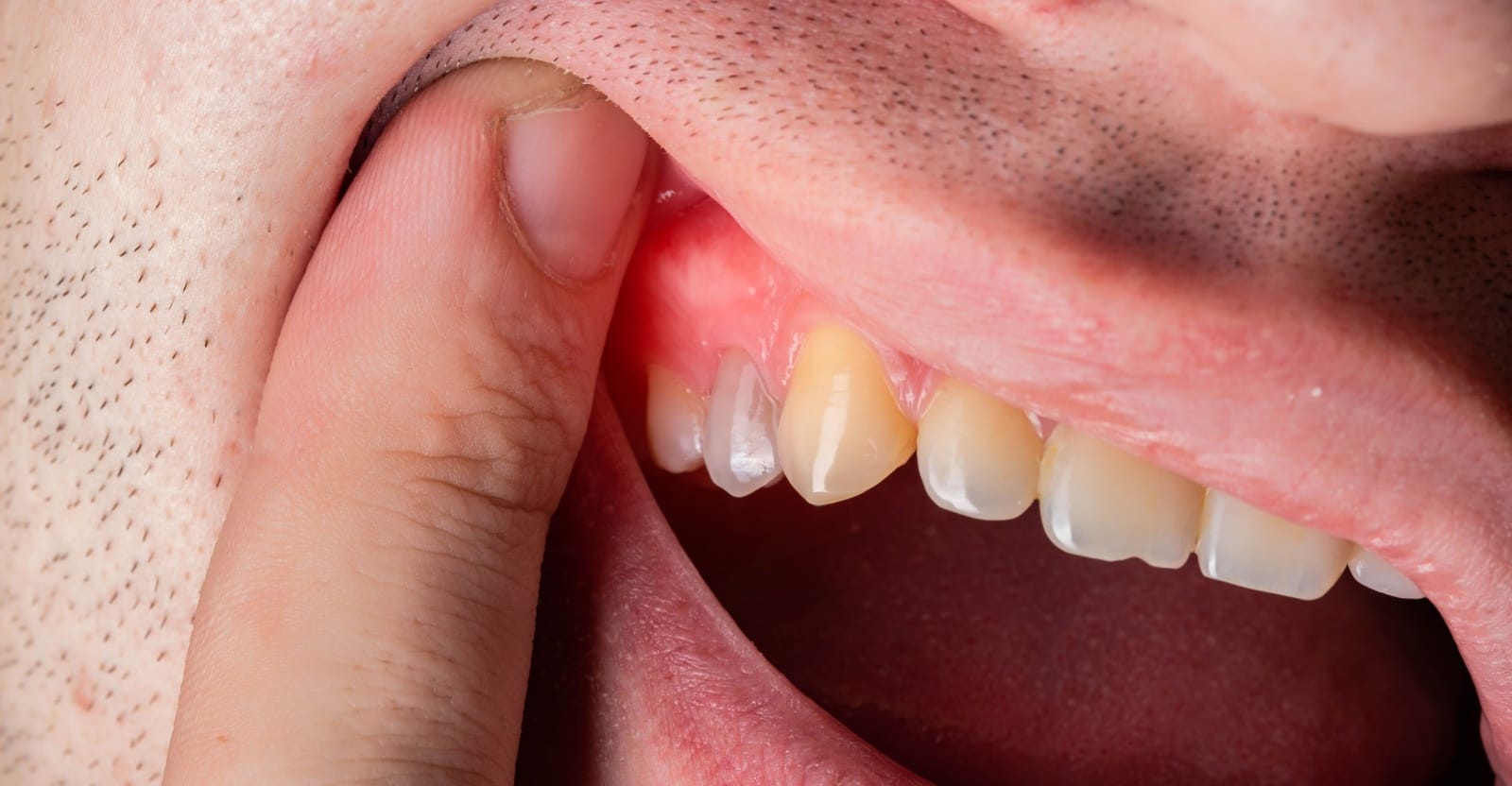
Stage 3: Dental Abscess Formation
A pus pocket forms at the tip of the root or inside the gums. It is referred to as an abscess.
Signs of a dental abscess are:
- Throbbing pain
- Facial swelling
- Mouth odors bad
- Fever
This stage greatly enhances the tooth Infection spread over time.
Stage 4: Infection Spreads to Jaw and Face
If the abscess bursts or persists in growing, the abscess expands to adjacent tissues.
This can lead to:
- Acute facial swelling
- Jaw pain
- The mouth is difficult to open
- Oral infection was transmitted to the surrounding regions
This requires urgent medical or dental care.
Stage 5: Infection Spreads to Body
In very rare but serious instances, the infection can spread to the bloodstream.
This could cause:
- High fever
- Rapid heartbeat
- Breathing difficulty
- Hospitalization
This is the reason why knowing the tooth Infection spread over time could be life-saving.
How Long Can a Tooth Infection Go Untreated?
An infection of the tooth is something that should not be ignored. If pain is present or goes away, the tooth infection is not gone.
Many people inquire about the speed at which an infection in the tooth spreads, but the truth is that it varies. However, waiting for weeks or months increases risk. Pain relief does not mean healing.
Signs That a Tooth Infection Is Spreading
Be aware of these warning signs:
- Pain that is increasing
- The swelling in the neck or face
- Chest or fever
- Trouble swallowing
- Bad breath that won’t disappear
- Fatigue
These indications suggest that an oral infection spreading could already be occurring.
Why Tooth Infections Spread So Easily
The mouth is home to numerous blood vessels as well as soft tissues. Once the bacteria have escaped through the teeth, they will be easily moved.
Some of the reasons are:
- A close connection with the jawbone
- Nearby sinuses
- Blood circulation
This is the reason tooth Infection spread can propagate more quickly than anticipated.

Who Is More at Risk of Fast Infection Spread?
Certain people are at greater risk of:
- People with weak immune systems
- Diabetics
- Smokers
- Senior citizens
- People are delaying dental visits
In these instances, how fast an infection in the tooth spreads may be significantly faster.
How Dentists Prevent the spread of a tooth infection
Dentists concentrate on eliminating the cause of infection.
The most common dental abscess treatment options are:
- Treatment of the root canal
- Abscess drainage
- Antibiotics
- Tooth extraction in extreme instances
The quick treatment can drastically reduce the duration of dental infections.
Can Antibiotics Alone Stop the Spread?
Antibiotics are effective in reducing the growth of bacteria; however, they don’t eliminate the cause of infection.
Dental treatment without a dentist:
- The infection could recur
- Bacteria can develop resistance
- Tooth nerve infection may continue
Dentists utilize antibiotics in conjunction with appropriate treatment.
What Happens If You Ignore a Tooth Infection?
The inability to recognize a problem can lead to:
- Loss of permanent teeth
- Severe facial swelling
- Bone damage
- Hospital admission
- Life-threatening issues
This is the reason tooth Infection spread over time, which should not be overlooked.
How to Prevent Tooth Infections
It is better to prevent problems than receive emergency medical treatment.
Reduce the chance of getting injured by:
- Brushing twice a day
- Flossing frequently
- Early treatment for cavities
- Regularly visiting the dentist
- Avoiding dental neglect
Prevention decreases the risk of oral infections spreading.

Conclusion
A tooth infection is a dangerous problem that shouldn’t be neglected. Being aware of how tooth Infection spread over time can help you understand the speed at which a small issue could become a risk. Infections can develop over weeks or days and could reach teeth, the face, and even into the bloodstream if left untreated. The early treatment of dental issues prevents the spread of infection, decreases discomfort, and helps protect general health. Refraining from treatment increases the risk and complications. If you suspect that there is a toothache, seeing your dentist as soon as possible is the safest option. Early intervention can save your tooth and your life.
FAQs
1. How long will it take for a toothache to get worse?
The spread of tooth infections varies, but in many instances, infection can take place in a matter of days or weeks if untreated, based on health and the severity.
2. Does a tooth infection get worse over the course of a single night?
In the most severe instances, how fast an infection in the tooth could be extremely rapid, particularly in cases where fever and swelling are present, which makes immediate medical attention essential.
3. What are the first indications of a growing tooth infection?
The early tooth abscess signs are characterized by increasing swelling, pain, and a fever. There is also a foul flavor in your mouth, which shouldn’t be ignored.
4. Can antibiotics prevent an infection in the tooth from spreading?
The antibiotics are helpful for a short time; however, without the proper treatment for a tooth abscess, the source of infection remains and could spread further.
5. Are tooth infections that are spreading life-threatening?
Yes, if an oral infection spreads to the bloodstream or vital regions, the infection can be life-threatening and require emergency medical treatment.