
Introduction
Dental issues can occur anytime. Sometimes dental pain and gum problems feel like they aren’t at all, so most people are unable to deal with the signs. But some dental issues require immediate treatment. Being aware of the signs of a dental emergency can allow you to respond quickly and protect your dental health.
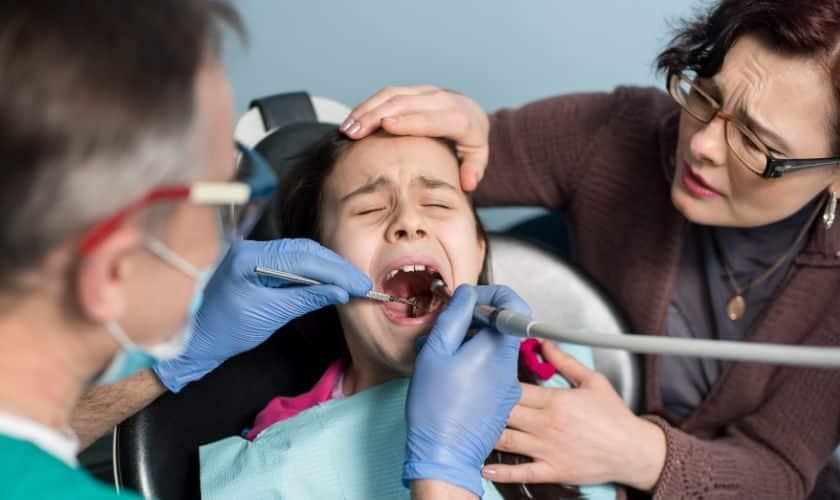
Dental emergencies are situations where your gums, teeth, or mouth require immediate treatment to end bleeding, pain, infection, and permanent harm. If you ignore these warning signs, it can cause more damage and make it more painful.
This article provides all the information in an easy-to-understand manner. It will be clear the definition of a dental emergency and the most typical dental emergency, the signs and symptoms, when you should visit a dentist right away, and what you need to do until you receive professional assistance.
What Is a Dental Emergency?
Dental Emergency are any dental issue that requires immediate medical care. The most common causes are extreme pain, bleeding or swelling, infection, or damage to the teeth or gums.
In simple terms, if you have a mouth problem:
- Involves intense pain
- Bleeds a lot
- The condition gets worse rapidly.
- It can affect eating and speaking.
Then it’s most likely a dental emergency. Being aware of the signs of an emergency will help you decide whether waiting for help is safe.
Why Dental Emergencies Should Not Be Ignored
A lot of people put off visiting dentists because they believe the pain will ease. This could be risky.
Ignoring a dental emergency can:
- The infection can spread to other areas of the body
- Permanent tooth loss can be the cause.
- Increased swelling and pain
- Health problems that can be serious
A quick response in Dental Emergency treatment could save your tooth as well as protect your health.
Most Common Dental Emergency Symptoms
Being aware of the signs of dental emergencies promptly is extremely crucial. Here are the most frequent warning signs that require immediate attention.
Severe Tooth Pain
The constant, recurring tooth pain is not normal. It typically indicates decay, infection, and nerve damage.
Severe pain can mean:
- Deep cavity
- Abscess
- Broken tooth
- Nerves exposed
Persistent pain is one of the most important symptoms of dental pain emergencies.
Swelling in Gums, Face, or Jaw
The swelling of the cheeks, gums, or jaw could indicate infection.
The cause of swelling could be:
- Spread quickly
- Make it difficult to open the mouth
- This can lead to the development of a fever.
It is an obvious signal that emergency dental treatment is urgently required.
Bleeding That Does Not Stop
The bleeding gums following brushing may be normal; heavy bleeding that is continuous or constant is not.
Excessive bleeding can happen due to:
- Gum injury
- Infection
- Trauma
- Tooth extraction issues
Continuous bleeding can be a serious sign of a tooth emergency.
Knocked-Out Tooth
A tooth that has been knocked out is among the teeth that require immediate attention. emergencies.
If a tooth gets knocked out
- The importance of time is paramount.
- The tooth could be saved if it is treated immediately
- Immediate urgent dental treatment is required
A visit to the dentist within one hour is the best possibility of saving the tooth.
Cracked or Broken Tooth
A tooth that is cracked or damaged may expose the tooth’s inner layers.
This could lead to:
- Pain
- Sensitivity
- Infection risk
Breaks or cracks that are large in size are a clear dental emergency that is obvious.
Dental Abscess (Infection)
A dental abscess can be described as a pocket of pus that is caused by an infection.
Signs are:
- Pain severe
- Swelling
- Bad taste
- Fever
An abscess can be a serious oral infection or medical emergency that needs to be treated as soon as possible.
When Should You See a Dentist Immediately?
It is recommended to see your dentist right away if you suffer from:
- Tooth pain that is severe and does not ease
- The gums or face may be swollen.
- Pus or other signs of infection
- Uncontrolled bleeding
- Knocked-out tooth or loose tooth
- Difficulty breathing or swallowing
The dental emergencies are not to be overlooked.
Dental Problems That Are Not Always Emergencies
Most dental issues do not require urgent attention; however, they must be examined.
Examples include:
- Mild tooth Sensitivity of the teeth
- Small chips without pain
- Fillings are not lost, but there is no discomfort
- Minor gum irritation
Although these aren’t emergency tooth pain instances, these cases should be dealt with quickly to prevent bigger issues.
What to Do During a Dental Emergency
Being aware of what you should do before going to the dentist can help reduce the risk of damage.
For Tooth Pain
- Rinse your mouth using warm salt water
- Avoid hot or cold food items
- Do not put aspirin directly on gums.
For Knocked-Out Tooth
- Keep the tooth in place by the crown
- Rinse gently using water.
- It is best to return it or place it back in milk.
- Seek urgent dental treatment immediately.
For Swelling
- Make a cool compress
- Be careful not to press on the swollen part.
- Do not attempt to pop the swelling.
These steps help manage emergency dental care until you see a dentist.
Why Emergency Dental Care Is Important
Dental emergencies are not solely about pain relief. It helps prevent serious health issues.
Quick Treatment:
- Stops the spread of infections
- Restores teeth
- Reduces the cost of treatment
- Health protection for the whole
Inattention to dental emergencies can lead to permanent damage.

How Dentists Treat Dental Emergencies
Dentists will first assess the problem and manage the discomfort or infection.
Treatment could include:
- Management of pain
- Control of infections
- Repair or removal of teeth
- Permanent or temporary restoration
Professional emergency dental treatment assures the safety and effectiveness of treatment.
Can Dental Emergencies Affect Overall Health?
Yes, dental infection can cause other problems in the body.
An untreated oral infection can result in:
- Fever
- Infections with blood
- Heart issues
- Trouble breathing
This is why quick emergency dental care is crucial.
Who Is More at Risk of Dental Emergencies?
Any person can suffer from an emergency with their teeth, but the risk is higher if:
- Oral hygiene can be a problem.
- The Cavities have not been treated
- Gums are not healthy.
- Teeth grinding is quite common
- Sports injuries can happen
Regularly scheduled checkups lower the chance of dental emergencies.
How to Prevent Dental Emergencies
While some emergencies cannot be avoided, a majority of them are preventable.
Tips to prevent the disease:
- Make sure you floss and brush your teeth daily.
- Visit the dentist regularly
- Avoid chewing on hard objects
- Use mouthguards during sports
- Treat dental problems early
Preventing dental decay can reduce the necessity for emergency dental services.

Conclusion
Dental emergencies can strike abruptly and cause anxiety and pain. Knowing dental emergencies’ symptoms allows you to act quickly and prevent serious injury. Signs of tooth pain that are severe bleeding, swelling, or infection shouldn’t be overlooked. The prompt and emergency dental care could save your tooth as well as protect your health overall. Being aware of when you should seek urgent dental attention can prevent complications and long-term issues. A quick response always results in more positive outcomes. Being aware of dental emergencies is essential to maintaining your dental health and a healthy smile.
FAQs
1. Which are your most commonly reported dental emergencies?
The most common dental emergencies include extreme tooth swelling, pain, constant bleeding, missing teeth, and signs of infection, such as fever or pus.
2. Is severe tooth pain always a dental emergency?
Yes, persistent or severe discomfort is often an indication of a tooth pain issue and usually indicates nerve damage or infection that requires immediate dental attention.
3. Do I take care of it if I can’t see a dentist right away?
The best way to treat pain is to take it seriously. Avoid home remedies and seek urgent dental treatment as soon as possible to avoid the recurrence of the problem.
4. Could a tooth infection turn life-threatening?
An untreated oral dental infection could cause damage to other parts of the body, causing grave health hazards if it is not treated.
5. What should I do during an emergency dental situation?
You must act fast. Rapid emergency dental care can increase the likelihood of saving your tooth and avoiding complications.